Symposium on Phenomenology and Urban Morphology
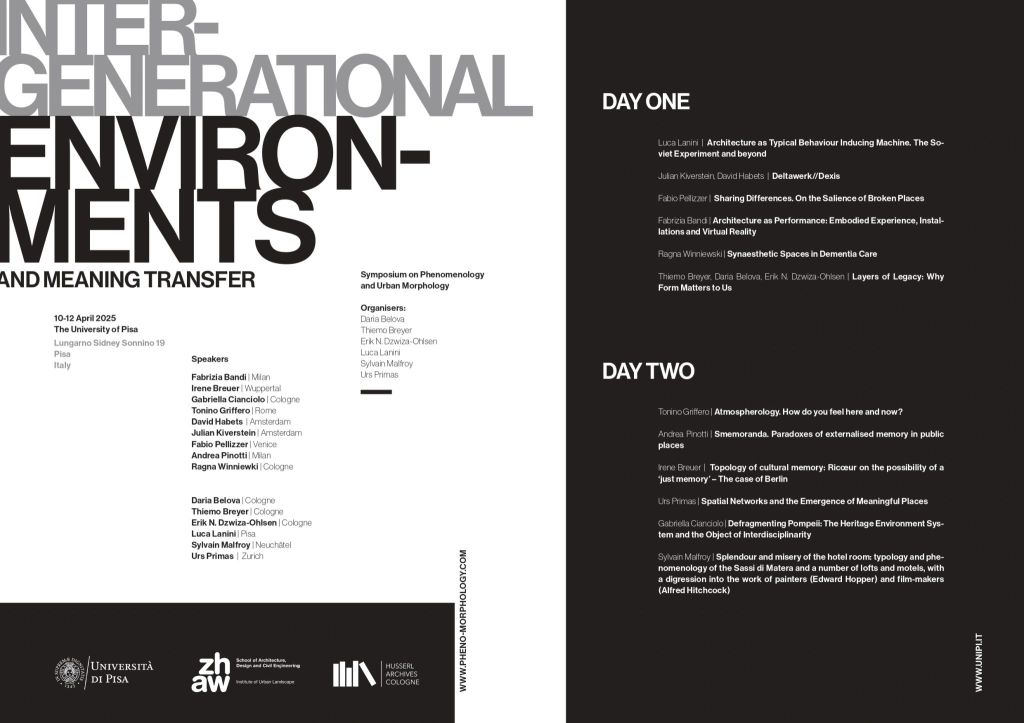
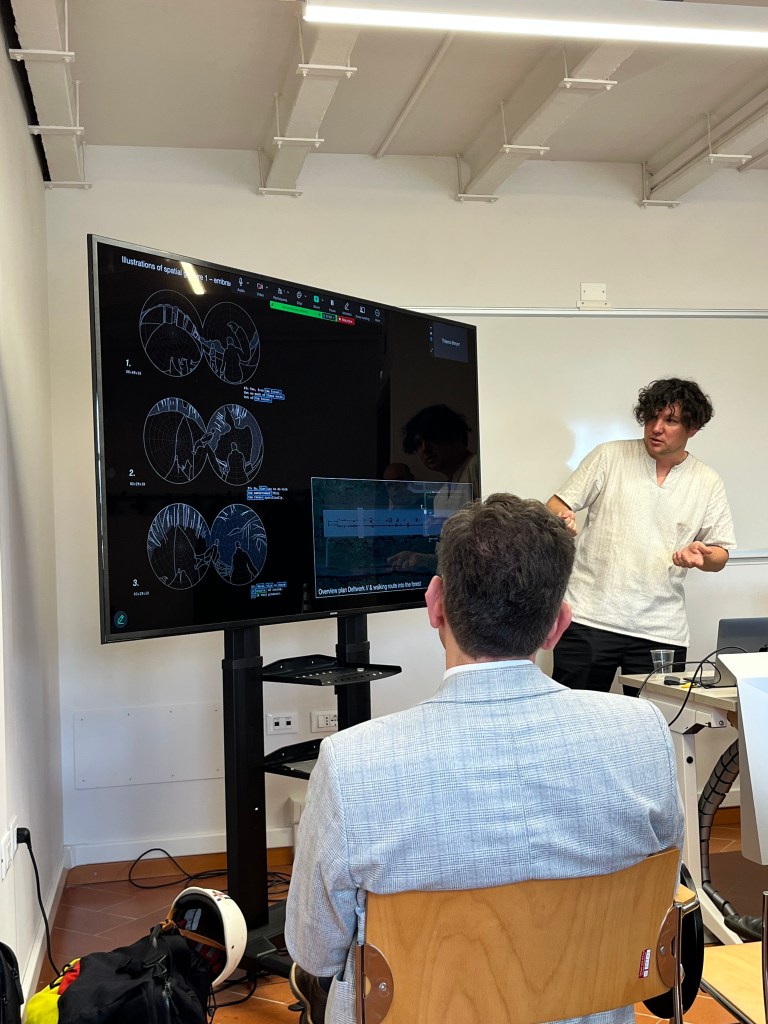
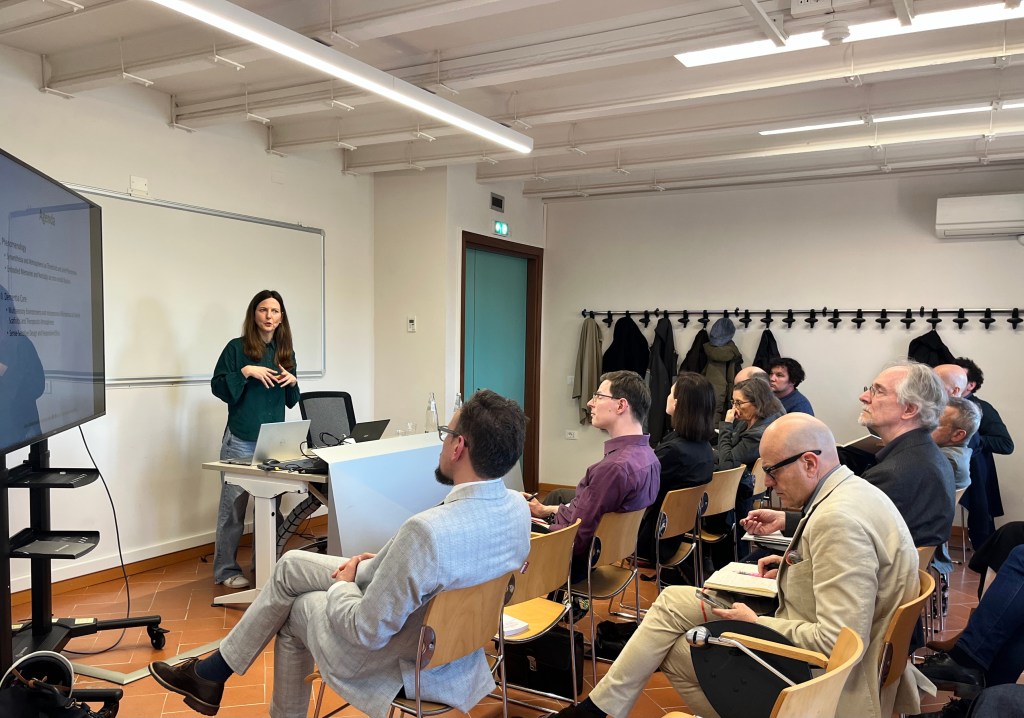
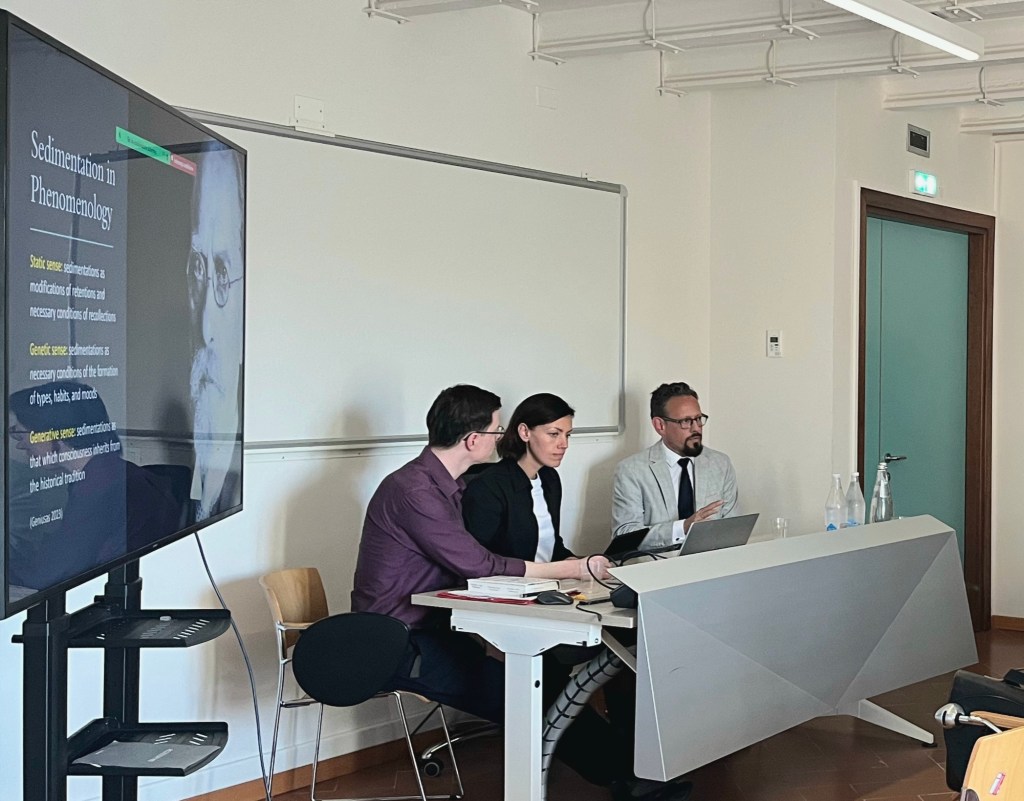
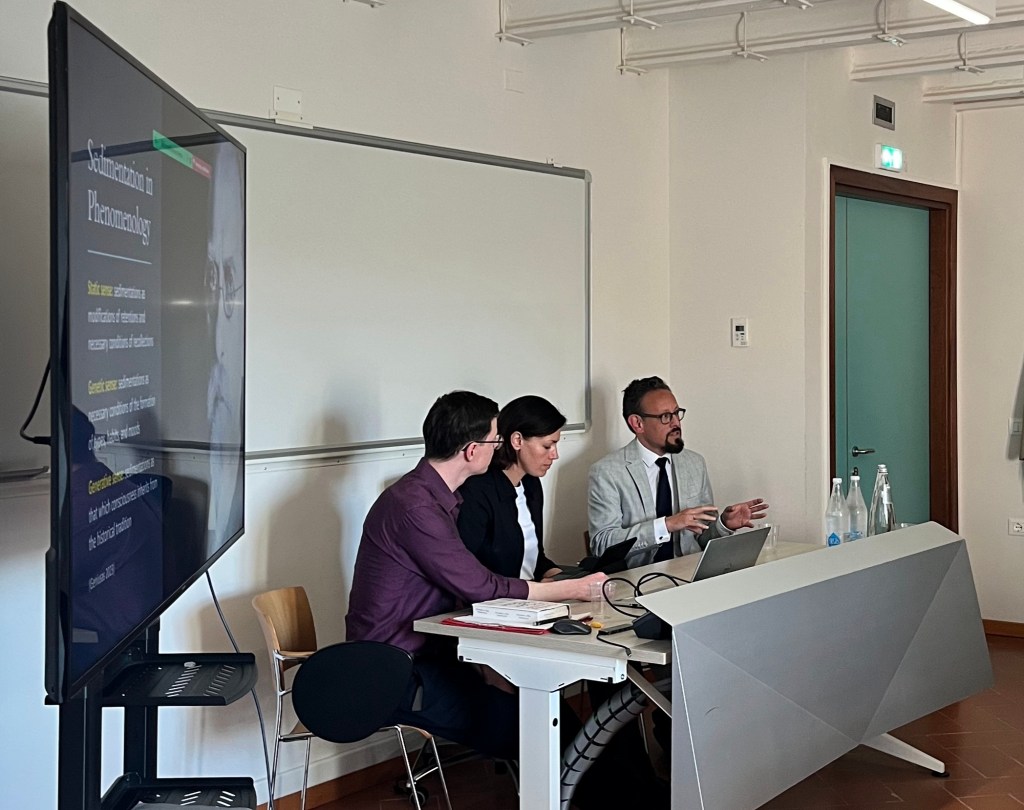
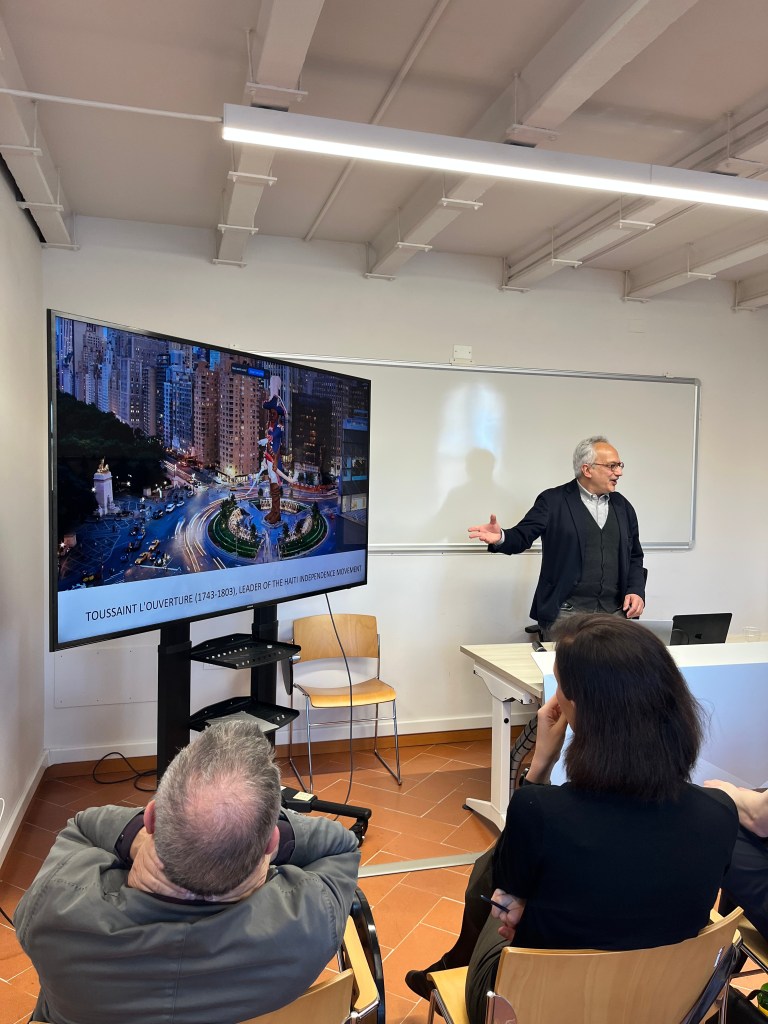
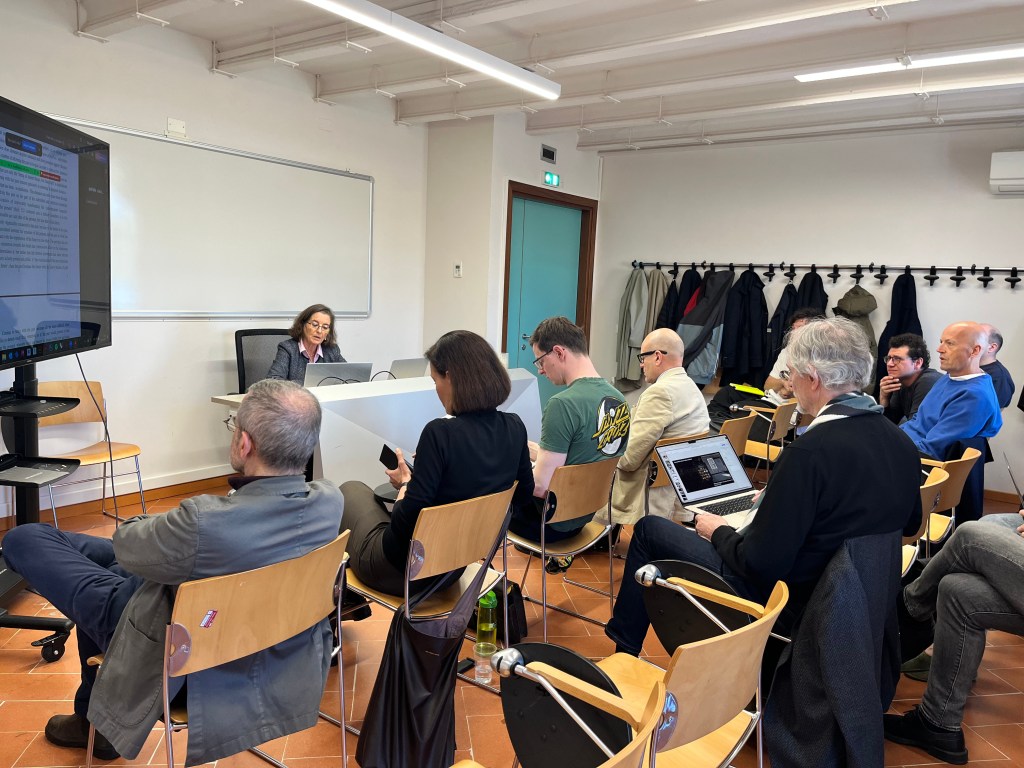
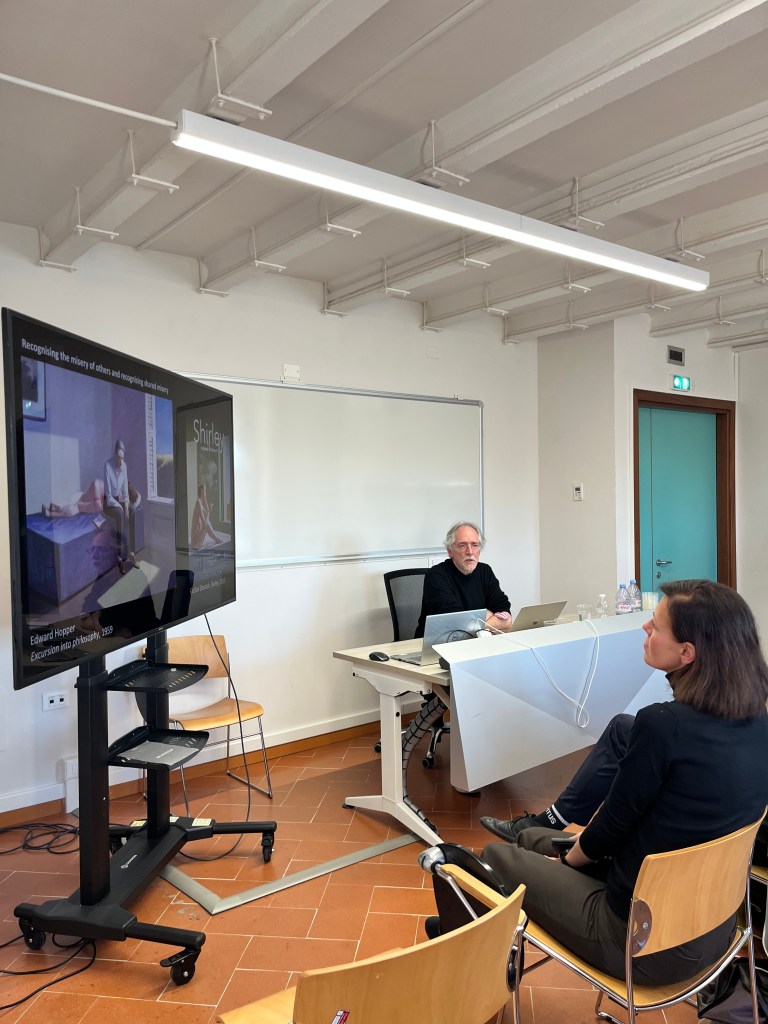
Inter- and Transdisciplinary Workshop at the University of Pisa (onsite). 10–12 April 2025. Venue: https://www.residence.unipi.it/

Abstract
Our world is manifold, full of surprises and constantly changing. However, with the global trend towards the complication of urban life, environments and infrastructure, and the atomisation of society, different categories of people are suffering from being lost – both literally and figuratively. While intergenerationally inclusive places seem to be rare exceptions, the concept of ‘multigenerationality’ has great potential to define urban processes. The needs of different groups of people must be taken much more into account when understanding and planning urban environments.
Fortunately, the world also offers a number of recurring and typical situations that allow us not to get lost, to experience the new through the lens of the familiar, and thus to develop a sense of being at home in the world. But how can we build environments that connect different people and generations by means of typical situations, and facilitate the transfer of cultural memory? Typical elements, forms and patterns are the basis of morphological approaches, their formations and transformations with reference to types reflect culturally significant characteristics, embodying the topology of cultural memory. Phenomenology uses the concept of type to denote a fundamental structuring element of human experience. It also offers the number of insightful concepts, such as the notion of generativity, referring both to the process of “generation” and to a process that occurs over the “generations” (Steinbock, 1995, 55).
Generally, the clarification of typomorphological concepts such as type, process, spontaneous consciousness or territory, together with the insights of Husserlian philosophy, may extend the relevance of morphological concepts and methods beyond the study of physical urban form and point the way towards a more comprehensive understanding of physical urban form as intertwined with social or cultural form. On the other hand, phenomenological approaches, which have recently been gaining ground in various areas of the social or medical sciences, are likely to benefit from the body of knowledge about the spatial structure and temporal evolution of urban environments that has been accumulated within urban morphology.
The workshop on phenomenology and urban morphology (held at the Husserl Archive, Cologne, 12-13 April 2024), dedicated to typification in human experience, identified several areas of common interest among the diverse group of participants, which can facilitate the integration of disciplines and methodologies. Starting from the issue of typification, we went further. In general, a productive connection between (Husserlian) phenomenology, enactivism and anthropology with morphological methods such as the typological-processual or space syntax approaches can be established through the concepts of embodied cognition, familiarity, generativity, horizon, habit, type and lifeworld, paving the way towards intergenerational environments and cultural meaning transfer.
In general, the issue of creating better living environments for different generations and groups of people is complex, and the existing problems can’t be solved within a single discipline, let alone a single institution. Moreover, the gaps between theory and practice and between disciplines should be bridged by the diversity of such interdisciplinary projects. Within our group we aim to develop research with the overarching aim of promoting inter- and transdisciplinary dialogue. Our aim is to identify methodologies that frame and facilitate the urban design process in ways that enhance quality of life, well-being and the multi- and transgenerational transfer of meaning of place in time, with a view to shaping intergenerational environments for the present and the future.
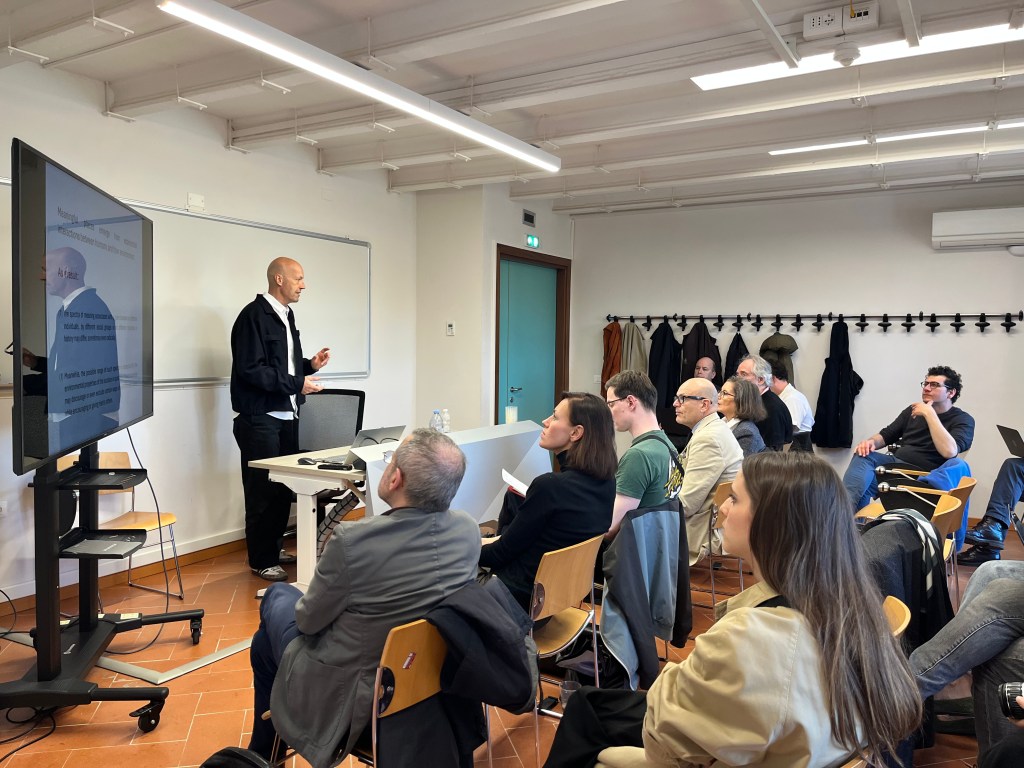

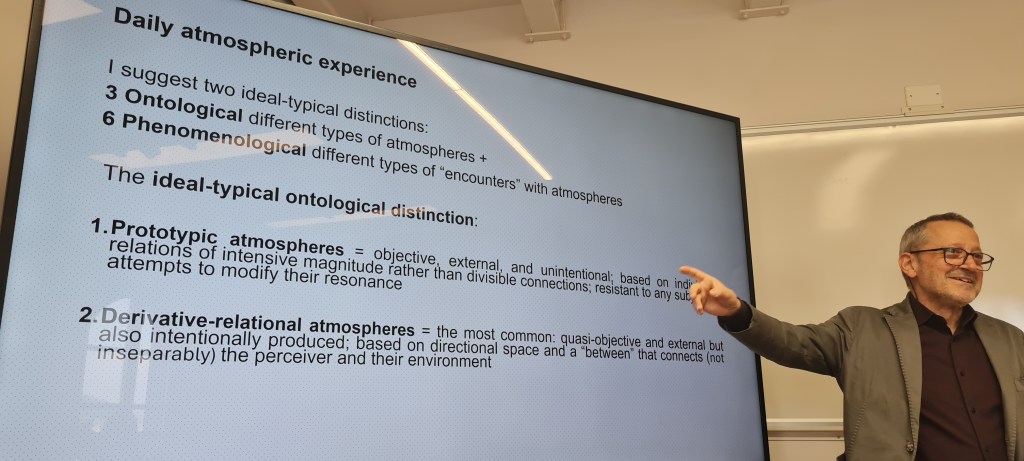
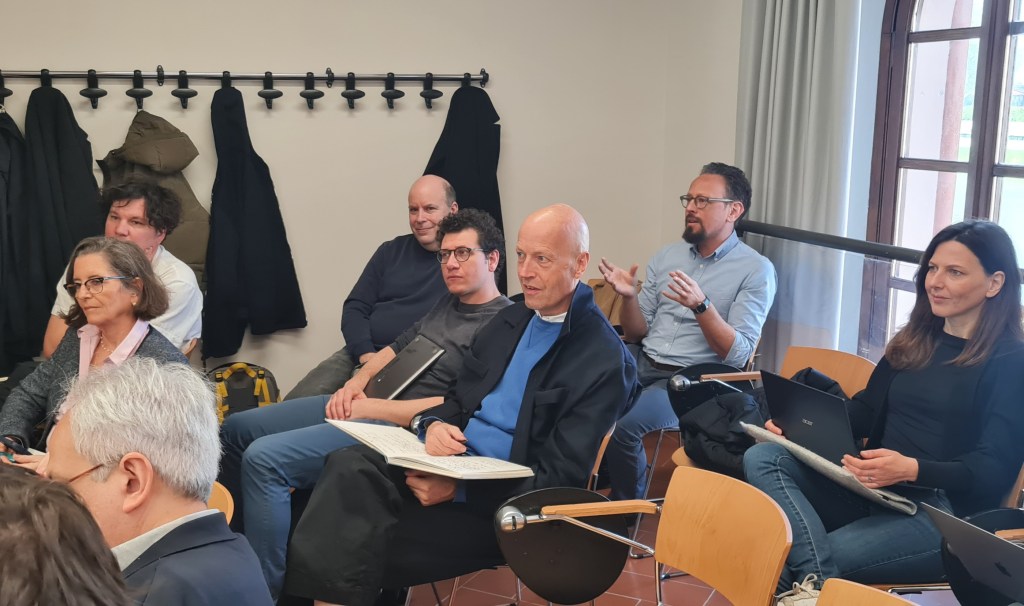








 Phenomenology & Urban Morphology